
Osprey Life Cycle & Biology
Cape Coral
Sanibel Island, Punta Gorda
& Surrounding Areas
Diet
Ospreys are fish specialists (piscivores). They locate prey from the air, hover, then plunge feet-first to grab fish with reversible outer toes and barbed foot pads.
Most of the diet is live fish; occasional scraps or carrion do not change the core biology that drives them toward water, bridges, and marina lights.
Breeding Cycle
Pairs often reunite on the same territory. Courtship includes mutual flights and fish deliveries. Egg laying is staggered slightly; incubation is shared.
Understanding the breeding calendar matters for legal nest work—see nuisance & removal for timing tied to permits.
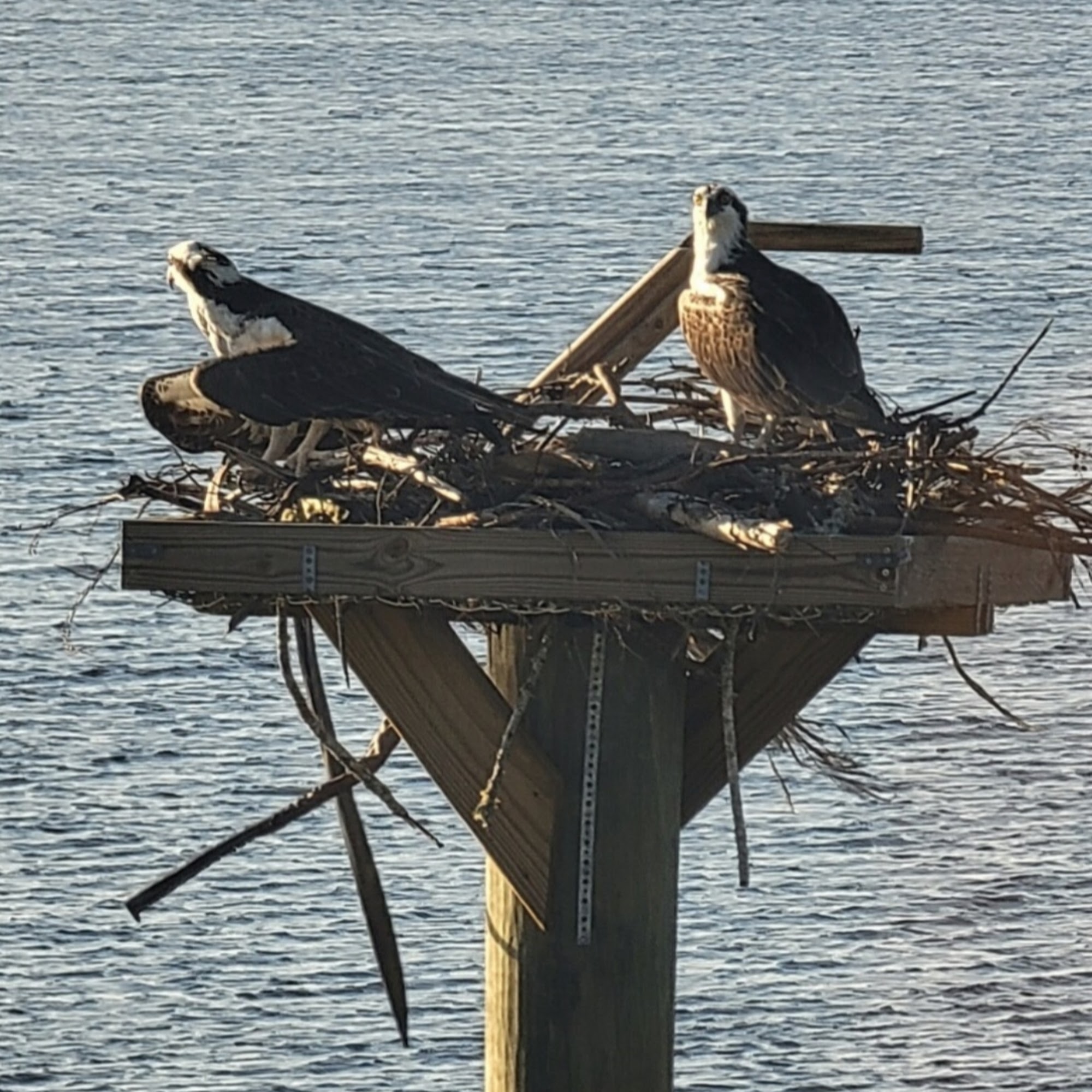
Nesting Habits
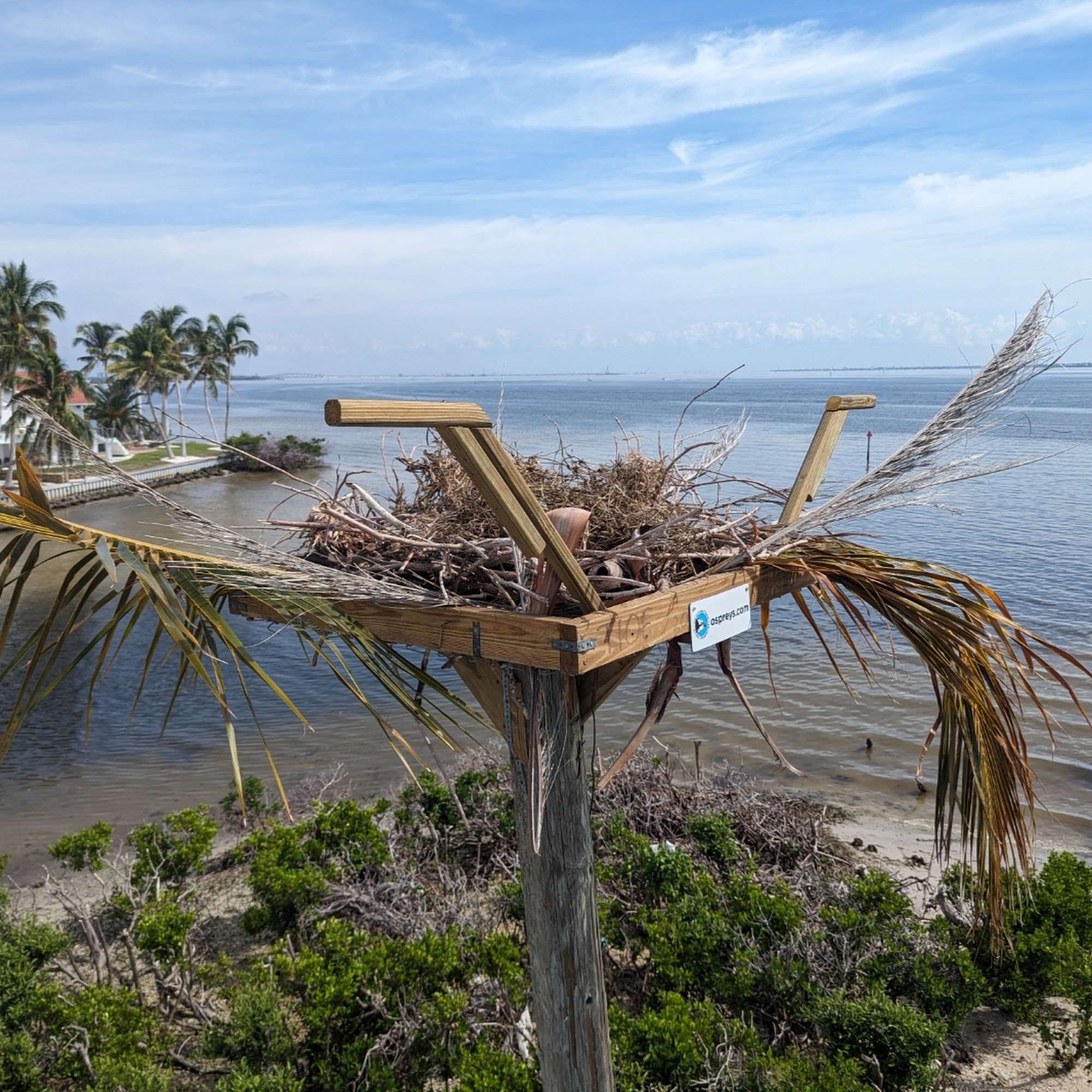
Ospreys can build or refurbish a large stick nest quickly and return to the same site year after year. If a site is unsafe, they still favor tall, open structures with sight lines to water.
That behavior is why proper platforms and height rules matter more than one-time tear-downs.
Growth Stages
Chicks hatch over several days; older siblings may receive more food early on. Nestlings grow fast and need constant fish deliveries until they branch and fledge.
Weather, food supply, and disturbance near the nest all affect survival to fledge.
Migration
Many Florida Ospreys stay year-round where fish remain available. Northern breeders migrate south; banding and telemetry show long ocean crossings for some populations.
Local residency is one reason nests on boats, roofs, and stadium lights recur every season without a better alternative nearby.




1242 SW Pine Island Rd., Suite 42 #310
Cape Coral, Florida 33991-2126
help@totalwildlifecontrol.com
Checks & Venmo